
Regular replacement of the engine oil and oil filter helps protect the engine against wear, deposits and overheating. This guide shows the general work sequence for a typical passenger car.
Important: The correct oil type, quantity, interval and tightening torque vary between vehicles. Always check the owner’s manual or workshop data for your specific engine.
What you need
- Engine oil with the correct viscosity and approval
- New oil filter
- New drain-plug sealing washer or gasket
- Container for collecting used oil
- Socket set and an oil-filter wrench if required
- Torque wrench
- Funnel, gloves and paper towels
- Garage jack and approved axle stands if required
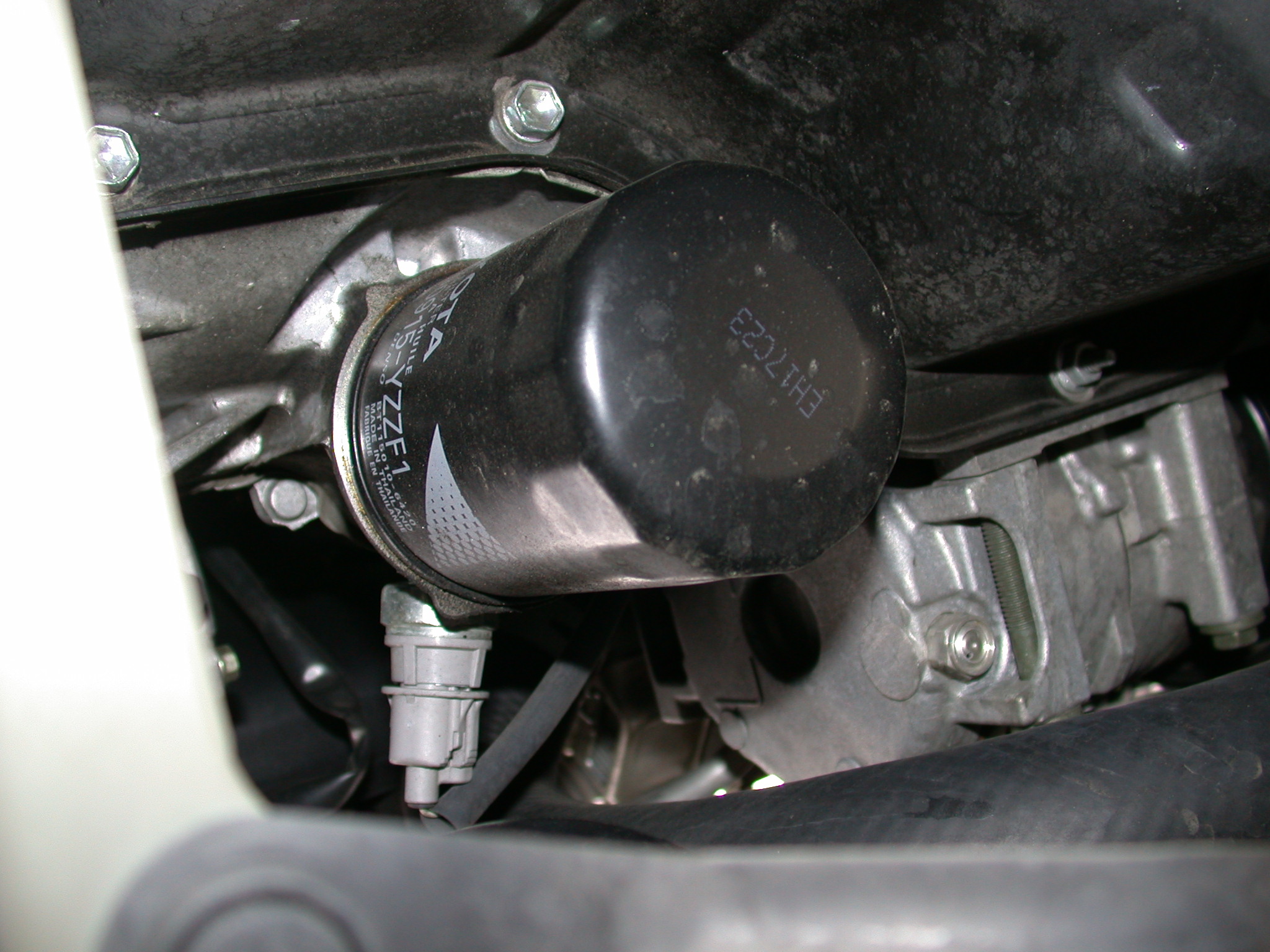
1. Find the correct oil and filter
Use the vehicle registration number, engine code or VIN to find the correct oil filter. The engine oil must have both the correct viscosity, such as 5W-30, and the required manufacturer approval. Two oils with the same viscosity may have different approvals.
2. Warm the engine slightly
Run the engine for a few minutes so that the oil becomes warm and drains more easily. The engine and exhaust system must not become so hot that they can cause burns.
3. Secure the vehicle
Park on a firm and level surface. If the vehicle must be lifted, use the correct jacking points and approved axle stands. Never work under a vehicle supported only by a jack.
4. Drain the old oil
Place the collection container beneath the oil pan. Carefully loosen the drain plug and allow the oil to drain completely. Remember that the oil may be hot.
5. Replace the oil filter
Release the old filter using the appropriate tool. Check that the old rubber seal has not remained on the engine. Clean the sealing surface before installing the new filter.
On a conventional spin-on filter, lightly lubricate the new seal with clean engine oil. The filter is normally tightened by hand according to the manufacturer’s instructions. Cartridge filters may require a new O-ring and a specified tightening torque.
6. Install the drain plug
Install a new sealing washer or gasket when specified. Tighten the drain plug to the correct torque. Excessive tightening can damage the threads in the oil pan.
7. Add new engine oil
Initially add slightly less than the specified capacity. Wait briefly and check the level with the dipstick or the vehicle’s electronic level measurement. Add oil gradually. Excessive oil level can also damage the engine.
8. Start the engine and check
- Start the engine and allow it to idle briefly.
- Check that the oil-pressure warning light goes out.
- Check for leaks around the filter and drain plug.
- Stop the engine and wait for a few minutes.
- Check the oil level again and top up when necessary.
Video: changing the oil yourself
This Norwegian video provides a brief general demonstration of replacing engine oil and an oil filter.
What should you do with used oil?
Used engine oil and filters must not be disposed of with household waste or poured into drains or the environment. Take them to an approved recycling station or another authorised collection point.
Common oil-change mistakes
- Incorrect oil viscosity or missing manufacturer approval
- Too much or too little engine oil
- The old filter seal remains attached
- The drain plug is tightened too much
- The oil level is not checked after starting the engine
- The service indicator is reset without completing the work correctly
Find the correct service parts
Search by registration number on Babiuk Bil to see the vehicle model, engine capacity and engine code. Always confirm the oil specification, filter type and OE number with the retailer before ordering.